Bill · H.Con.Res. 35· House(119-HCONRES-35)
Exposing Congressional Drug Abuse Act
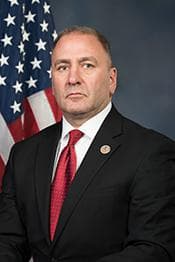
- Introduced
- 6/5/2025
- Last activity
- 6/5/2025 — Referred to the House Committee on House Administration.
- Sponsored by
- Clay Higgins
- Cosponsors
- None
- Introduced
- In Committee
A concurrent resolution is how the House and the Senate settle something they do together, such as a budget plan or a joint session. It is adopted once both chambers agree to it, and that puts it into effect; it is not a law, so it does not go to the President.
What this bill would do
This resolution, known as the ``Exposing Congressional Drug Abuse Act'', requires Members of the House of Representatives and the Senate to participate in a program testing for the illegal use of controlled substances. Each Member is subject to one random drug test per term. Positive results are provided to the Member and their respective ethics committee. Ethics committees must publicly disclose the identity of any Member who refuses to participate. Additionally, Members are required to reimburse their respective chamber for the cost of the test.
Yes
Does this make what the government does easier for the public to see?+5
The bill increases transparency by requiring public disclosure of members who refuse drug testing.
The opposite
Does this protect people from being watched or searched?-5
The bill imposes mandatory random drug testing on Members, which may impact their personal privacy.
Who it would affect, and how
Potential Positive Impacts for People
-
Accountability for drug use: The program requires testing for the illegal use of controlled substances, which could hold officials accountable for their actions (Section 2(a)).
-
Verification of positive results: To ensure accuracy, a confirmed positive result must be confirmed by a second test using a different chemical process and certified by a medical review officer (Section 2(d)(1)(A)).
-
Protection for legal drug use: The definition of a confirmed positive result specifically excludes tests that show only the presence of legal, over-the-counter drugs or legally prescribed drugs (Section 2(d)(1)(B)).
Potential Negative Impacts for People
-
Financial burden on Members: Each Member of the House or Senate must reimburse their respective chamber for the cost of their random drug test (Section 2(b)(4)).
-
Public disclosure of non-compliance: The ethics committees are required to publicly disclose the identity of any Member who refuses to participate in the testing program (Section 2(b)(3)).
-
Potential for disciplinary action: Ethics committees are authorized to take other action against Members who refuse to participate in the program (Section 2(b)(3)).
Groups and Interests Ranking
Every group the model scored this bill for, from -10 to +10. Hover a score for the reason it gave.
- Governance And Ideology
- Improves Government Transparency+5Improves Privacy Rights-5
- 6/5/2025
- Submitted in House
- Referred to the House Committee on House Administration.