Bill · H.Con.Res. 2· House(119-HCONRES-2)
Reclaiming Congress’s Constitutional Mandate in Trade Resolution
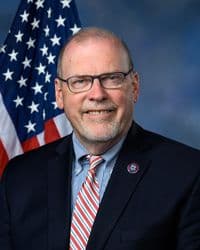
- Introduced
- 1/3/2025
- Last activity
- 1/3/2025 — Referred to the Committee on Rules, and in addition to the Committee on Ways and Means, for a period to be subsequently determined by the Speaker, in each case for consideration of such provisions as fall within the jurisdiction of the committee concerned.
- Sponsored by
- H. Griffith
- Cosponsors
- None
- Introduced
- In Committee
A concurrent resolution is how the House and the Senate settle something they do together, such as a budget plan or a joint session. It is adopted once both chambers agree to it, and that puts it into effect; it is not a law, so it does not go to the President.
What this bill would do
This resolution establishes the Joint Ad Hoc Committee on Trade Responsibilities to create a plan that moves the functions and responsibilities of the Office of the United States Trade Representative to the legislative branch. The 14-member committee must submit a report containing this plan to Congress within 16 months of all its members being appointed. It also establishes a 21-member Congressional Advisory Board on Trade Responsibilities to advise the committee during this process. Under the developed plan, the functions and responsibilities will move to the legislative branch either upon the expiration of a 4-year period after the report is submitted or on July 1, 2028, whichever is later. The resolution outlines how committee and board members are appointed, how staff and expenses are handled, and when these newly created entities will terminate.
Yes· 3 of 6
Would business owners be better off under this?+1
The bill requires the inclusion of business owners in the advisory process for trade responsibility planning.
Would union members be better off under this?+1
The bill ensures that labor representatives are included in the advisory board for trade planning.
Does this give the federal government more power?+1
The bill aims to increase the power of the legislative branch by moving functions currently held by the executive branch.
The opposite
No question was scored the opposite.
Who it would affect, and how
Potential Positive Impacts for People
- Section 3 establishes the Congressional Advisory Board on Trade Responsibilities, which includes individuals representing non-Federal governments, labor, industry, agriculture, small business, service industries, retailers, nongovernmental environmental and conservation organizations, and consumer interests. This provision gives these diverse groups a direct avenue to advise the committee on trade responsibility plans.
Potential Negative Impacts for People
- Section 2(d)(4) notes that expenses for the Joint Ad Hoc Committee will be paid out of the applicable accounts of the House of Representatives and the contingent fund of the Senate using sums deemed necessary. Additionally, Section 3(e) provides travel expenses and per diem for Advisory Board members who do not reside in the Washington Metropolitan Area. These provisions could be considered a negative burden because they draw taxpayer funds to finance the committee and advisory board operations and travel.
Groups and Interests Ranking
Every group the model scored this bill for, from -10 to +10. Hover a score for the reason it gave.
- Demographic And Interest Groups
- Good For Business Owners+1Good For Union Workers+1
- Governance And Ideology
- Improves Government Transparency+1Increases Federal Power+1
- Economy And Finance
- Improves Small Business Support+1
- National Security And Foreign Policy
- Improves International Trade+1
- 1/3/2025
- Submitted in House
- Referred to the Committee on Rules, and in addition to the Committee on Ways and Means, for a period to be subsequently determined by the Speaker, in each case for consideration of such provisions as fall within the jurisdiction of the committee concerned.