Bill · H.Con.Res. 121· House(119-HCONRES-121)
Expressing the sense of the Congress that assisted suicide (sometimes referred to using other terms) puts everyone, including those most vulnerable, at risk of deadly harm.
- Introduced
- 9/24/2026
- Last activity
- 9/24/2026 — Referred to the House Committee on Energy and Commerce.
- Sponsored by
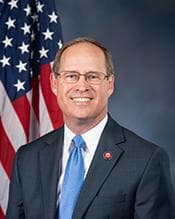
- Gregory Murphy
- Cosponsors
- - 0 - 1
- Introduced
- In Committee
A concurrent resolution is how the House and the Senate settle something they do together, such as a budget plan or a joint session. It is adopted once both chambers agree to it, and that puts it into effect; it is not a law, so it does not go to the President.
What this bill would do
This resolution expresses the sense of Congress that assisted suicide puts everyone, especially vulnerable people, at risk of deadly harm. It defines suicide and assisting in a suicide, noting that society has a long-standing policy of supporting suicide prevention programs. The text highlights that assisted suicide directly threatens the elderly, people with depression, individuals with disabilities, and those facing emotional or financial pressure. It details various concerns with state laws, including a lack of required medical attendants, monitors, family notification, and transparent reporting. The resolution points out that insurers have denied life-saving care while offering to cover assisted suicide because lethal medication is cheaper than life-saving treatments. Ultimately, the resolution states that the Federal Government should ensure every person nearing the end of life has access to quality medical care like palliative or hospice care, rather than supporting or facilitating suicide.
Yes· 3 of 8
Would people over 65 be better off under this?+7
The resolution expresses the sense of Congress that assisted suicide puts elderly individuals at risk of harm and emphasizes expanding access to quality hospice and palliative care instead.
Would people with disabilities be better off under this?+7
The resolution explicitly states that assisted suicide threatens people with disabilities and asserts that the federal government should not endorse policies facilitating suicide.
Does this expand the rights of people with disabilities?+6
The resolution highlights that assisted suicide puts vulnerable populations, specifically individuals with disabilities, at risk of harm and promotes protective end-of-life care alternatives.
The opposite
No question was scored the opposite.
Who it would affect, and how
Potential Positive Impacts for People
- Access to Quality End-of-Life Care: The resolution states that the Federal Government should ensure that every person facing the end of their life has access to the best quality and comprehensive medical care, including palliative, in-home, or hospice care tailored to their needs. This is considered positive because it promotes supportive care options for individuals nearing the end of life.
Potential Negative Impacts for People
Based on the provided text, there are no specific sections or provisions that outline positive or negative impacts directly enacted as binding laws, as this is a concurrent resolution expressing the sense of Congress. However, the text details numerous concerns regarding state-level assisted suicide laws that the authors argue create negative consequences for individuals:
-
Risk to Vulnerable Populations: The text states that assisted suicide most directly threatens the lives of people who are elderly, experience depression, have a disability, or are subject to emotional or financial pressure to end their lives.
-
Denial of Life-Saving Care by Insurers: The text notes that lethal medication is far less costly than many life-saving treatments, which threatens to restrict treatment options, especially for disadvantaged and vulnerable persons, when insurers deny or delay coverage for life-saving care while offering to cover assisted suicide.
Groups and Interests Ranking
Every group the model scored this bill for, from -10 to +10. Hover a score for the reason it gave.
- Demographic And Interest Groups
- Good For People With Disabilities+7Good For Seniors+7Good For Veterans+5Good For Low Income Households+4
- Healthcare
- Improves Healthcare Access+5Improves Veterans Healthcare+5
- Social Issues And Justice
- Improves Disability Rights+6Improves Poverty Reduction+3
- 9/24/2026
- Submitted in House
- Referred to the House Committee on Energy and Commerce.
- 1 Cosponsor added.
 J. Correa
Democrat · California